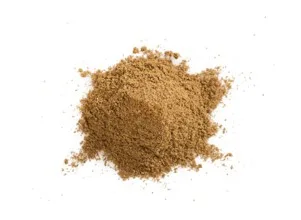
You may be looking for information about the differences between ground cumin vs cumin seed. The shelf life, flavor intensity, and culinary uses of ground and cumin seeds are different. While ground cumin has an earthy flavor, whole cumin seeds have a more complex flavor that is best when toasted before use.
When you use cumin seeds in recipes, then 1 teaspoon of cumin seeds equals ¾ teaspoon of ground cumin.
Understanding the difference between cumin seeds vs ground cumin is crucial if you love cooking. This blog post will shed light on the flavor profiles, storage considerations, culinary applications, and substitution ratios that will help you increase cumin’s unique earthy flavor in your cooking. If you are interested in buying ground cumin at wholesale price, you can get in touch with Terramar Essentials.
As the name implies, ground cumin is made by grinding dried cumin seeds into a fine powder. It has an earthy and slightly smoky taste and a strong smell. You can use it in many dishes, such as Mexican, Indian, Mediterranean, and Middle Eastern dishes, as it adds rich flavors to each dish like curries, chili, tacos, hummus, and stews. You can mix it easily into soups and sauces, making it the best way to give meals more warmth.
Cumin seeds are the dried seeds. They are small, brownish seeds with an earthy smell and taste. They can be used in different types of dishes around the world. Cumin seeds have essential oils that offer a more complex flavor with slightly peppery notes. When they are toasted, they release aromatic compounds.
The choice between cumin vs ground cumin can impact flavor of your dish. Whole cumin seeds are a great choice in recipes where flavor development happens early during the cooking process, such as:
Ground cumin is ideal when you want the flavor to spread quickly and smoothly:
Storage considerations must be kept in mind, which can affect the longevity of both cumin seeds and ground cumin. For optimal shelf life:
Whole cumin seeds may last up to four years when stored properly. On the other hand, ground cumin may last up to 2-3 years when stored properly in an airtight container away from sunlight and heat. This is one of the most practical differences between cumin seeds vs ground cumin.
Cumin is not spicy, but it has a slightly bitter and earthy flavor. It adds warmth and a mild heat to dishes.
You can buy ground cumin from Terramar Essentials USA, where we supply it at wholesale prices. In addition to spices, we are also trusted shrink wrap suppliers, offering thank you bags, paper bags, and a wide range of other packaging solutions.
Cumin seeds and ground cumin offer different flavors, uses, and shelf lives. Seeds provide a more complex, aromatic taste, especially when toasted, while ground cumin blends quickly for an earthy flavor. For wholesale ground cumin, Terramar Essentials USA is a trusted supplier, also offering a range of packaging solutions.
Other Useful Links: