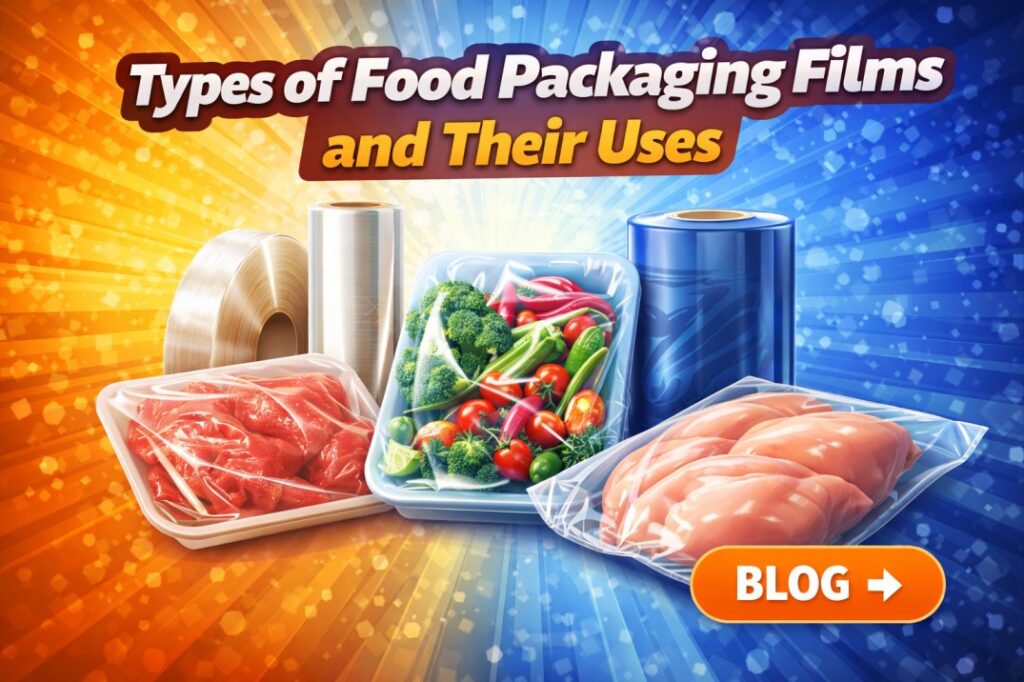
When food packaging film is paired with a rigid container, it can provide a flexible solution for a range of food products. Plastic packaging film plays an important role in securing ready-to-eat snacks and fresh-cut produce. Food packaging wraps play an important role in protecting and presenting fresh products to their consumers. On the other hand, flexible packaging film is a versatile and lightweight material, in high demand from both consumers and operations, while enabling more innovative food product development. In this blog post, we’ll explain why opting for food packaging film would be a great decision.
What is packaging Film?
Film packaging for food is any flexible plastic material used to protect and seal products during transport, storage, and retail display. Food packaging film has become popular, and it is used across countless industries. Due to its adaptability, it is considered ideal for everything from electronics to pharmaceutical products. For food products, it is primarily used as a barrier layer that usually comes along with a rigid container to extend shelf life. In some packaging designs, film lidding is combined with a rigid lid, but packaging film can also work as a standalone seal without the requirement for rigid lidding. Some film lids are manufactured for one-time use, while peel-and-reseal designs use flanged or scored packaging, allowing consumers to reseal the container for multiple uses.
Plastic packaging film can be transparent or colored, you can buy any as per your requirements. You can also buy single or multi-layered versions of film packaging.
What are the Common Types of Packaging Film?
A wide range of plastics is used in film packaging. Some of the most commonly used materials include:
What is Flexible Film Packaging?
As the name implies, flexible film packaging is flexible and lightweight in nature and is not as rigid as regular packaging films. There are many features of flexible film packaging.
What are the Benefits of Using Film Packaging for Food?
When paired with rigid containers, film packaging for food serves numerous benefits, making it ideal for fresh and ready-to-eat food. The plastic film material is very less vulnerable to contamination. With film packaging, the shelf life of food products becomes longer. The packaging film gives attractive looks to food items and is primarily used for branding purposes.
Here are some benefits of using film packaging for food:
Final Thoughts
When buying food products wrapped in film packaging, make sure it is made from good-quality materials. If you are looking to buy film packaging for branding purposes, make sure to buy from a trusted supplier. Moreover, for any kind of plastic packaging requirements, you can get in touch with Terramar Essentials USA.
Other Useful Links